Can Pressure Washing Ruin Concrete Sealer? What to Know
The short answer is yes, pressure washing can ruin concrete sealer if it is done using the wrong equipment, excessive pressure, or incorrect technique. Concrete sealers form a protective barrier against moisture, oil stains, and UV degradation. However, blast that surface with an aggressive stream of high-pressure water, and you risk stripping, flaking, or clouding the protective coat, leaving the bare concrete vulnerable underneath.
For homeowners across Canberra and the ACT, sealed driveways, stamped patios, and exposed aggregate paths are common features that add substantial curb appeal. Because our local climate swings dramatically from frosty, sub-zero winter mornings to scorching summer heatwaves, concrete sealers already work overtime. Understanding how pressure washing interacts with sealed concrete https://canberrapressurecleaning.com.au/ is essential to keeping your outdoor surfaces in prime condition throughout 2026 and beyond.
How High-Pressure Water Affects Concrete Sealers
To understand the risk, it helps to distinguish between the two primary types of sealers used on residential slabs: topical sealers and penetrating sealers.
Topical sealers (such as acrylics and polyurethanes) sit directly on top of the concrete slab, creating a glossy or semi-gloss protective film. These are particularly vulnerable to high pressure. An industrial pressure washer generating 3,000 to 4,000 PSI can easily slice through an acrylic layer, causing it to peel, chip, or delaminate. When the bond between the sealer and the concrete breaks, water gets trapped underneath, leading to unsightly milky-white blemishes.
Penetrating sealers (such as silanes and siloxanes) soak deep into the concrete's capillary pores. While far more resilient against mechanical water pressure, aggressive blasting can still pit the concrete surface, eroding the very substrate the sealer is bound to.
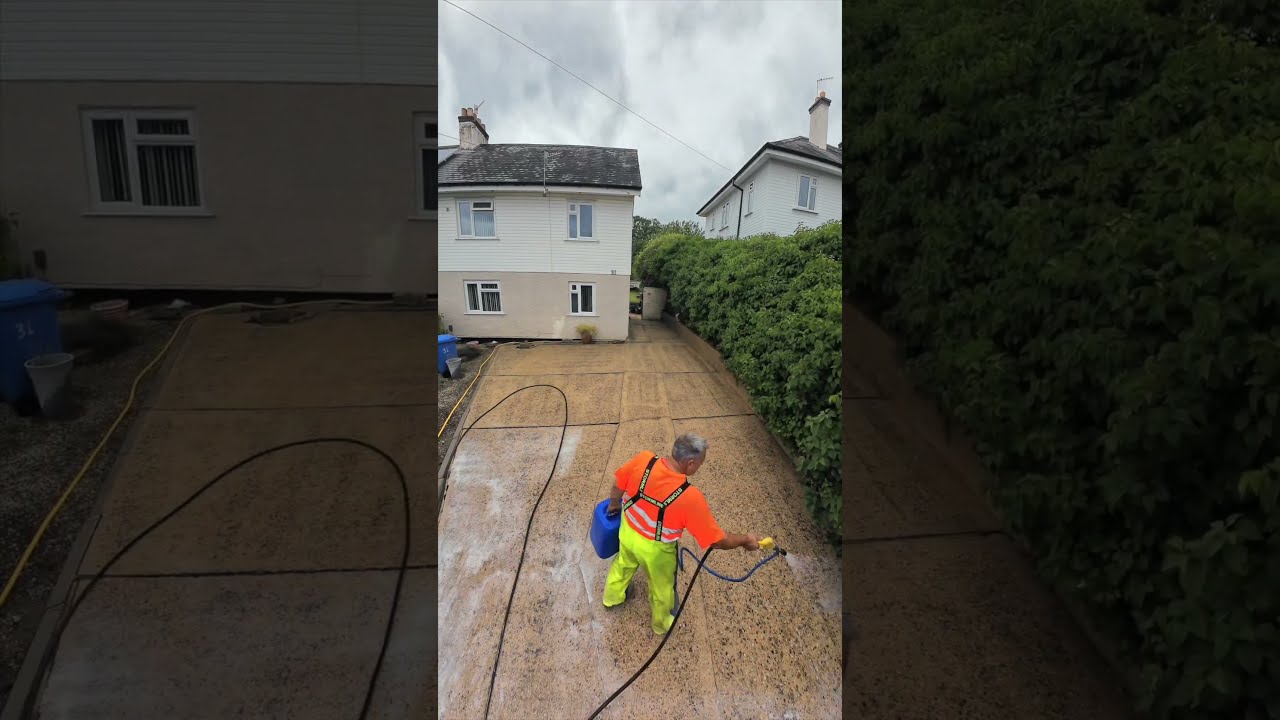
Key Factors That Increase the Risk of Damage
Concrete sealer damage rarely happens by chance. It is usually the result of specific mistakes or pre-existing environmental factors common in the Canberra region:
- Excessive Water Pressure (PSI): Using standard blast nozzles above 1,500 to 2,000 PSI on topical coatings will strip the finish unevenly, leaving gouge marks and wand trails.
- Using Turbo or 0-Degree Red Nozzles: Concentrated pinpoint nozzles deliver intense cutting force that can strip paint and peel durable coatings in seconds.
- Holding the Wand Too Close: Blasting closer than 30 centimetres concentrates too much kinetic energy on a small surface area, lifting the sealer away from the slab.
- Weathered or Ageing Sealers: Canberra's intense UV index breaks down surface resins over time, making older coatings brittle and far more prone to flaking under pressure.
Signs Your Concrete Sealer Has Been Compromised
If you or an inexperienced cleaner recently washed your paved surfaces, watch out for these clear indicators that the sealer has suffered damage:
You may notice a chalky, cloudy haze appearing across the surface, especially after rain or when moisture is present. Another telltale sign is uneven sheen, where sections look dull and bare while adjacent patches remain glossy. If water no longer beads on the surface and instead darkens the concrete immediately, the protective barrier has been breached, allowing water to soak deep into the porous slab.
How to Safely Clean Sealed Concrete Surfaces
Keeping sealed driveways and entertaining areas clean does not require brute force. Modern exterior cleaning practices in 2026 rely on chemistry and controlled rinse techniques rather than sheer pressure.
- Pre-Treat with Specialised Detergents: Apply a pH-neutral cleaner or mild biodegradable degreaser to break down dirt, oil, and atmospheric grime without degrading the resin coat.
- Use a Broad Fan Tip: Switch to a 25-degree (green) or 40-degree (white) nozzle to distribute water pressure evenly across a wider path.
- Rely on Surface Cleaners: Utilise a rotary flat-surface cleaner fitted with the correct spray tips to ensure uniform distance and consistent, low-impact pressure across the entire slab.
- Inspect and Reapply Periodically: In the ACT, topical acrylic sealers typically require refreshing every two to three years to maintain optimal protection against freeze-thaw cycles and winter frost.
Protecting Your Investment
Concrete sealing is a worthwhile investment that protects your property's exterior from the elements. While dirt, mould, and vehicle stains inevitably build up, blast cleaning without care will only leave you facing the cost of chemical stripping and complete resealing. By adopting soft-wash methodologies and respecting the chemical limits of your sealer, you can enjoy pristine, damage-free concrete all year round.

Canberra Pressure Cleaning
(02) 6105 9920